Overcoming Toilet Anxiety: Malaysia’s Non-Western Toilets.
As a traveller, encountering unfamiliar toilets is one of the most challenging things about visiting new countries. In Malaysia, traditional squat toilets are common in public restrooms and other outdoor areas, which can be a significant source of anxiety for many travellers. However, by understanding cultural differences and adopting some practical strategies, you can overcome your toilet anxiety and make the most of your time in this incredible country.
Understanding Cultural Differences in Toilet Etiquette
In Malaysia, toilet etiquette varies significantly from Western countries. It is not uncommon to find squat toilets in public restrooms, particularly in more rural areas. Additionally, many Malaysian toilets do not provide toilet paper or hand sanitiser, making it essential to carry your supplies.
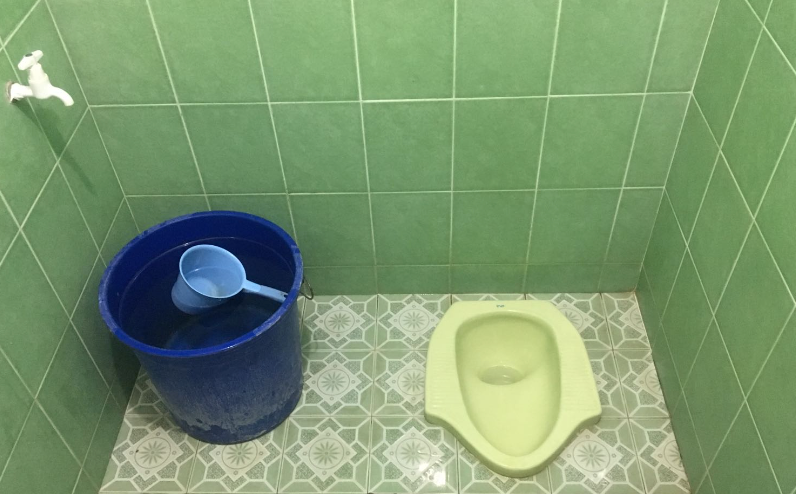
It’s also worth mentioning that Malaysians often use water instead of toilet paper to clean themselves after using the restroom. Muslim Malaysians use their left hand to clean themselves and consider it unclean to eat with that hand. This cultural difference may take a bit of getting used to, but it’s important to respect and adapt to local customs during your travels.
Tips for Using Squat Toilets in Malaysia
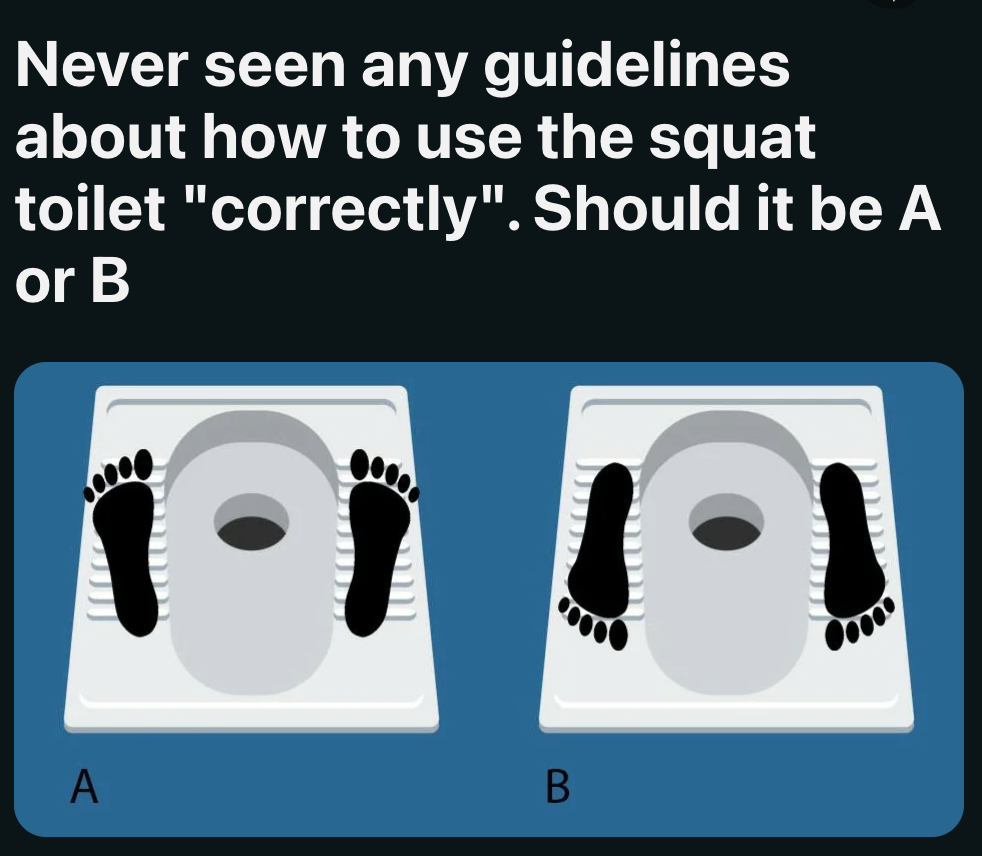
Using a squat toilet for the first time can be daunting, but it can become second nature with a little practice. Here are some tips to make using squat toilets more comfortable:
- Wear slip-on shoes: It can be helpful to wear slip-on shoes instead of lace-ups, making it easier to remove and slip on as needed.
- Check for toilet paper: Bring toilet paper with you, as you may not find it in public restrooms. Toilet paper can also be used to wipe the seat if needed.
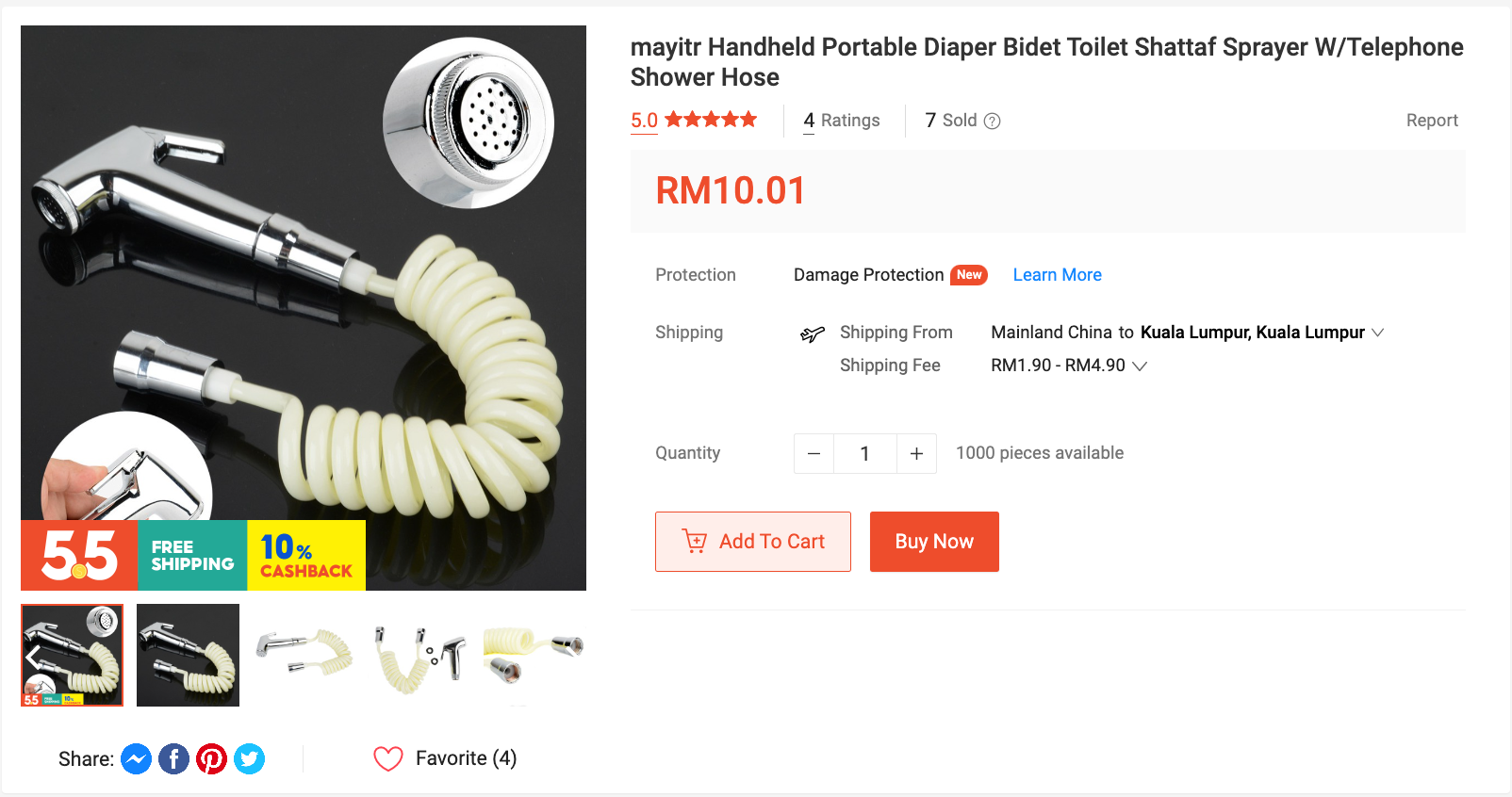
- Use a portable bidet: bringing a compact portable bidet can help make the process cleaner and more comfortable.
- Maintain your balance: It is best to balance your weight on your heels and keep your balance centred throughout.
- Dress appropriately: It’s best to wear loose-fitting clothes, making it easier to squat comfortably.
Best Products and Resources to Bring on Your Trip
When travelling in Malaysia, there are several products and resources to have that can make using non-Western toilets more comfortable:
- Toilet paper: Bringing toilet paper and wipes can help you stay clean and comfortable.
- Portable bidet: A portable bidet is a handy tool that can be used to clean yourself more thoroughly after using the restroom. You can get all types for really cheap online!
- Hand sanitiser: It’s a good idea always to carry hand sanitiser, as you may not find soap and water in all restrooms.

Advantages of Non-Western Toilets
Improved Hygiene: Unlike traditional toilets, squat toilets do not require the user to touch any surfaces other than their feet, reducing the spread of germs and bacteria. Additionally, squat toilets are often made of materials that are easy to clean and disinfect, further reducing the risk of infection.
Efficiency: Squatting toilets are often more efficient than traditional models, as they require less water to operate. Additionally, since squat toilets do not have any moving parts, they are less likely to break down or require repairs.
Eco-Friendliness: Squat toilets are often more eco-friendly than traditional Western-style toilets as they use less water per flush. Moreover, squat toilets produce less sewage, and the waste can be composted and used as fertilizer for crops.
Where Are Non-Western Toilets Commonly Used?
Non-Western toilets are widely used in many countries around the world. In Asia, countries like China, India, and Japan commonly use squat toilets. The Middle East also has a preference for squat toilets, with countries like Iran and Jordan often using them. In Africa, squat toilets are common in countries such as Nigeria and Kenya.
One reason why these countries prefer squat toilets is cultural – they have been using these types of toilets for centuries, and it is part of their daily routine. Additionally, squat toilets are often cheaper and easier to install than traditional Western-style toilets, making them a more practical option in many parts of the world.
Navigating Non-Western Toilets: Cultural Considerations While Traveling
Using non-Western toilets can be a unique cultural experience for travellers, but it’s crucial to approach it with cultural sensitivity and respect. In many countries, toilet practices are deeply rooted in local customs and traditions, and it’s essential to be aware of these practices before embarking on your travel journey. This article will provide tips on how to research local toilet customs before your trip, discuss cultural differences in toilet etiquette across different countries, and offer practical advice on how to use non-Western toilets respectfully and hygienically.

Importance of Cultural Sensitivity
When travelling, it’s important to approach local customs and traditions with respect and sensitivity. Using non-Western toilets can have cultural significance in many parts of the world, and it’s essential to be respectful of these practices. For example, in some cultures, it’s customary to use water instead of toilet paper, while in others, it’s customary to use a squatting toilet instead of a Western-style toilet.
Overcoming Toilet Anxiety in Malaysia
While using unfamiliar toilets can be a significant source of anxiety, it’s important to remember that it’s a common concern for many travellers. By embracing cultural differences and utilizing practical strategies, you can overcome your toilet anxiety and enjoy your travels in Malaysia fully. Remember to pack some toilet paper, a portable bidet, and hand sanitiser, and don’t be afraid to ask for assistance or additional guidance from locals. Happy travels!
Sources:
The post Overcoming Toilet Anxiety: Malaysia’s Non-Western Toilets. appeared first on Blog.
Homestay Management Company Blog | NaiBnB